Welcome to Winchelsea Magic Mirror Photo Booth Hire
Elegant Magic Mirror Photo Booth Hire for Every Winchelsea Celebration
Winchelsea is one of England’s most singular, most hauntingly beautiful and most historically extraordinary small communities — a town in the Rother District of East Sussex whose combination of medieval grid-planned streets, magnificent ecclesiastical heritage, clifftop position above the Romney Marsh and the Brede valley, ancient wine cellars of remarkable atmospheric quality, three surviving medieval town gates and the particular still, unhurried and deeply contemplative character of a community that has lived thoughtfully and comfortably within the boundaries of its medieval ambitions for seven unbroken centuries creates an experience of English historic townscape quite unlike anything available anywhere else in the country.
Winchelsea is widely regarded as the smallest town in England — a distinction deriving from its medieval borough charter, its royal foundation by King Edward I and its surviving planned grid layout of 39 quarters laid out with considerable geometric precision in the final decade of the 13th century — and it wears this curious distinction with the same measured, slightly amused and thoroughly self-possessed confidence that characterises every aspect of its quiet but deeply considered relationship with the wider world beyond its ancient gates.
Photobooth4all is delighted to bring elegant, warm and professionally delivered magic mirror photo booth hire to every Winchelsea celebration — intimate wedding receptions at the town’s unique and historically extraordinary venues, landmark milestone birthday parties for a community that celebrates with the quiet care and genuine warmth of a place where people know one another well, community fundraisers, anniversary gatherings, christenings, private home occasions and the full range of family and social celebrations that bring Winchelsea’s small, warmly engaged and quality-conscious community together throughout the year, as well as the wider celebrations of the surrounding communities of Icklesham, Rye, Rye Harbour, Guestling and the eastern Rother District countryside.
Winchelsea: A Royal Medieval New Town, Edward I and the Cinque Port Legacy
The Creation of New Winchelsea — Medieval Town Planning of Royal Ambition
The story of Winchelsea’s creation is one of the most dramatic, most practically consequential and most architecturally ambitious episodes in the entire history of medieval English urban planning — a story that begins with catastrophe, proceeds through royal determination and systematic planning of the most sophisticated kind available in the late 13th century, and ends, after a brief period of commercial prosperity cut short by plague, French raids and harbour silting, in the quiet, beautiful, melancholy and deeply atmospheric condition that the town has maintained with remarkable continuity across the following seven centuries.
The original Winchelsea — Old Winchelsea, which stood on the low shingle spit at the mouth of the River Rother where it entered the sea — was one of the most prosperous, most commercially active and most strategically important Cinque Ports on the entire south-east English coast during the 12th and 13th centuries, its wine trade with Bordeaux and Gascony, its herring fishery, its cross-Channel commerce and its provision of ships and men to the royal navy making it a community of genuine wealth and considerable national significance.
Between 1250 and 1287, however, a series of increasingly catastrophic coastal storms progressively destroyed Old Winchelsea — eroding the shingle spit, flooding the lower town, destroying buildings and rendering the harbour increasingly dangerous and inaccessible. The great storm of November 1287 — the same tempest that permanently diverted the course of the River Rother from its former outlet at New Romney to its current exit at Rye, and that reshaped the shingle coastline of the Romney Marsh in ways still visible in the landscape today — finally overwhelmed what remained of Old Winchelsea, consigning the last of the original settlement to the sea in a disaster of sufficient scale and commercial consequence to demand an immediate royal response.
King Edward I — a monarch of considerable practical ability, extensive experience of the planned bastide towns of Gascony and southern France that represented the most advanced urban planning thinking of his age, and the clear-eyed strategic understanding that the loss of a major Cinque Port harbour on this section of the coast could not be accepted — commissioned the planning and construction of an entirely new town on the hilltop above the village of Iham, overlooking the Brede valley and the coastal marshes, in approximately 1288.
The resulting New Winchelsea — its streets laid out on a regular grid of 39 rectangular quarters or plots, its church, market place and public buildings allocated specific positions within the plan, its perimeter defined by earthwork ramparts and entered through substantial stone gatehouses — represents one of the most systematic and architecturally self-conscious acts of royal town planning undertaken in medieval England, its Gascon bastide influences adapted intelligently to English conditions and requirements by the royal surveyors responsible for its execution.
The Medieval Fabric — Streets, Cellars and Town Gates
New Winchelsea’s grid-planned street layout is still clearly visible and fully legible in the modern town — its principal thoroughfares of High Street, Castle Street, Monk’s Walk, Rectory Lane, German Street and the connecting lanes following the lines of the original 13th-century grid with a clarity and a regularity that rewards both map-reading and careful on-the-ground exploration with the particular satisfaction of discovering a medieval planned intention still intact beneath the accumulated centuries of continuous occupation.
Walking the town’s quiet streets — their ancient grass verges, their flint-walled gardens, their Georgian and medieval buildings interspersed in the casual manner of a settlement that has never been in sufficient commercial demand to sweep away its older fabric in favour of new development — is an experience of unusual and considerable historical depth, the regularity of the grid beneath the organic surface of centuries of gentle change creating an intellectual pleasure of spatial detection uniquely available in this most unusual and rewarding of English towns.
The medieval wine cellars that survive in various states of completeness beneath a number of Winchelsea’s private properties and historic buildings — their vaulted stone chambers of 13th and 14th-century construction, designed to receive, store and mature the barrels of Bordeaux and Gascon wine that constituted the town’s primary import commodity and the principal source of its medieval commercial prosperity — are among the most evocative, most atmospheric and most historically resonant domestic heritage spaces surviving in any English community of comparable size.
Those that are periodically open to visitors or available for private hire — including the celebrated cellars associated with the town’s New Inn and the various properties whose owners open them as part of Winchelsea’s heritage programme — provide celebration and event environments of quite exceptional historic character, their vaulted stone ceilings, their ancient flint walls and their accumulation of nearly seven centuries of quiet domestic history creating spaces that no purpose-built event venue could approach in terms of atmosphere, historical depth and sheer human resonance.
The three surviving medieval town gates — the Strand Gate on the south-eastern approach from the marsh, its twin-towered 14th-century stone arch commanding the descent toward the Brede valley and the former harbour area; the Pipewell Gate (also called the Pipewell Gate or the New Gate on various historical maps) on the northern edge of the town; and the New Gate on the south-western approach through the surviving earthwork ramparts — each stand as free-standing stone structures within the town’s landscape, their arched openings framing views of the surrounding countryside in the manner of landscape paintings of particular and immediately striking compositional beauty.
These gates — all that survives of the original town’s defensive circuit — provide the most powerful and most immediately impressive physical reminders of Winchelsea’s former scale of ambition and its once-serious fortified character, and they constitute landmarks of genuine national architectural significance that the town’s residents and visitors regard with justifiable pride and affection.
The Church of St Thomas the Martyr — Medieval Grandeur Incompletely Realised
The Church of St Thomas the Martyr — the great medieval parish church of New Winchelsea, its surviving chancel and side chapels representing what remains of a building that in its full originally intended extent would have been one of the largest, most elaborately detailed and most architecturally ambitious parish churches in the whole of the South East of England — stands at the heart of the planned grid as a monument of extraordinary medieval ambition, considerable artistic achievement and profoundly moving incompleteness.
The church as originally conceived would have been a building of near-cathedral proportions — its full nave, aisles, transepts, crossing tower and chancel creating an interior of imposing scale and elaborate Decorated Gothic ornament entirely proportionate to the royal new town’s aspirations and the commercial prosperity that its founders anticipated. The nave was never built; the crossing tower was constructed but subsequently collapsed; and the French raids of 1360, 1380 and 1449 — each devastating in its effect on the town’s buildings, population and morale — left the church in the truncated but still magnificent condition that has been carefully maintained and lovingly preserved ever since.
What remains is, even in its incomplete state, a building of great beauty and considerable artistic importance. The Decorated Gothic stonework of the chancel arcade — its moulded arches, its carved capitals and its carefully proportioned bays — is of the highest quality of late 13th and early 14th-century English ecclesiastical architecture, comparable in refinement and technical accomplishment to the best work of the period elsewhere in the country. The remarkable collection of 14th-century canopied tomb monuments of the Alard family — who served as hereditary admirals of the Cinque Ports and were Winchelsea’s most powerful, most politically connected and most architecturally generous medieval dynasty — represents one of the finest groups of English medieval funerary sculpture surviving in any parish church, their carved canopies, their effigy figures and the quality of their surviving painted and gilded decoration providing a window into the artistic ambitions and the political self-presentation of the medieval Cinque Port aristocracy of remarkable directness and considerable beauty.
The churchyard — its ancient yew trees, its moss-covered table tombs, its views across the tile-and-flint roofscape of the medieval town toward the Romney Marsh and the distant Channel — provides a setting for the church of the most atmospheric and visually satisfying kind, and on a clear day in any season the view from the churchyard toward Rye’s hilltop silhouette across the intervening marshland is one of the finest and most characterful landscape compositions in the whole of East Sussex.
Winchelsea’s Community and Celebration Character
Winchelsea’s resident community is small in number — the town’s population amounts to only a few hundred permanent residents — but exceptional in its engagement with the town’s heritage, its commitment to the preservation and active enjoyment of the extraordinary physical environment it inhabits, and the warmth and care with which it celebrates the milestones, the community occasions and the personal landmarks that give any community its human meaning.
The Winchelsea Arts Festival, the church’s programme of musical and community events, the various heritage open days and the well-supported programme of local voluntary and community activities create a celebration calendar of genuine richness and variety for a community of this scale, and the wider celebration community of the surrounding parishes — Icklesham, Guestling, Three Oaks, Westfield, Broad Oak and the eastern Rother rural communities — extends the catchment of celebration occasions that Photobooth4all serves in this beautiful corner of East Sussex considerably beyond Winchelsea itself.
Key celebration venues in and around Winchelsea include the New Inn (the town’s historic pub, occupying a building of considerable age and character with private dining and function facilities), the various private properties with medieval cellars available for exclusive hire events of the most atmospheric and unique kind, the Church of St Thomas the Martyr for licensed ceremony occasions and cultural events, the village hall serving the local community’s social needs, and private homes throughout Winchelsea’s residential streets and the surrounding countryside — the ancient farmhouses, converted oast houses and quality rural properties of the eastern Rother landscape providing private celebration settings of considerable natural beauty and characterful architectural distinction.
Wedding celebrations in Winchelsea carry a quality of historic romance and quiet beauty that no resort or purpose-built venue could manufacture — the town’s medieval streets, its ancient church, its town gate silhouettes and the panoramic views across the marsh toward the sea and the distant coast of France on clear days provide a wedding day backdrop of quite extraordinary beauty, historical depth and natural grandeur that couples seeking a genuinely special and entirely individual setting for their most important day find completely and utterly irresistible.
About Photobooth4all
PhotoBooth4All offers a fun Magic Mirror Photo Booth service in Winchelsea for weddings, parties and corporate events, with instant high‑quality prints and props included. A friendly attendant runs the booth throughout your event, keeping guests entertained while capturing memorable photos they can take home.

Get a Quote for Your Photo Booth Hire
Tell us about your event and we’ll help you choose the perfect Magic Mirror photo booth package. Our team will respond quickly with availability and pricing.
Prefer to speak with us directly?
Email us at info@photobooth4all.co.uk
or
WhatsApp : +44 7356 084750
Call 0203 983 1758
We’re happy to answer your questions and help you plan the perfect entertainment for your event.
Contact Now
Choose Your Magic Mirror Photo Booth
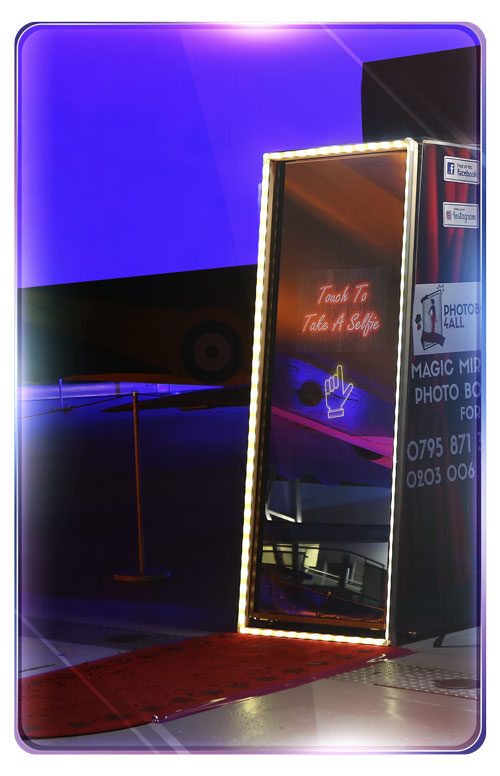
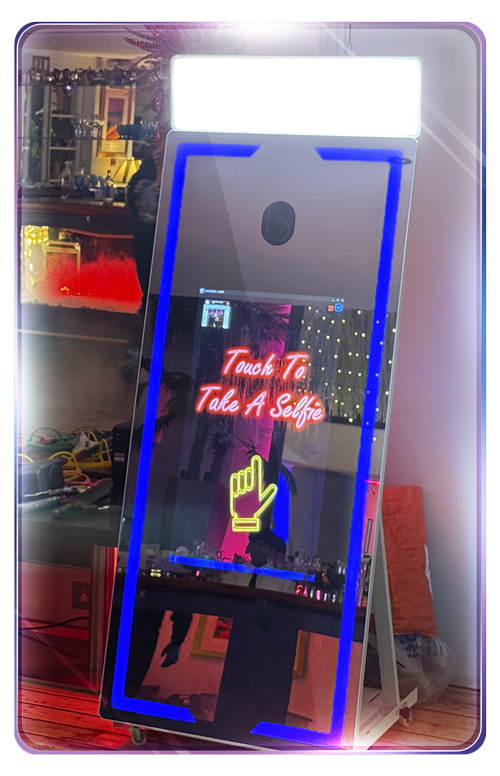
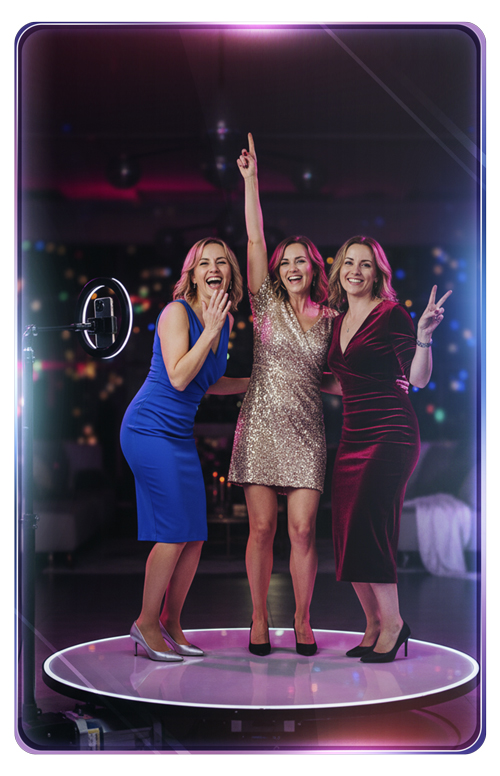

AI Magic Mirror Photo Booth
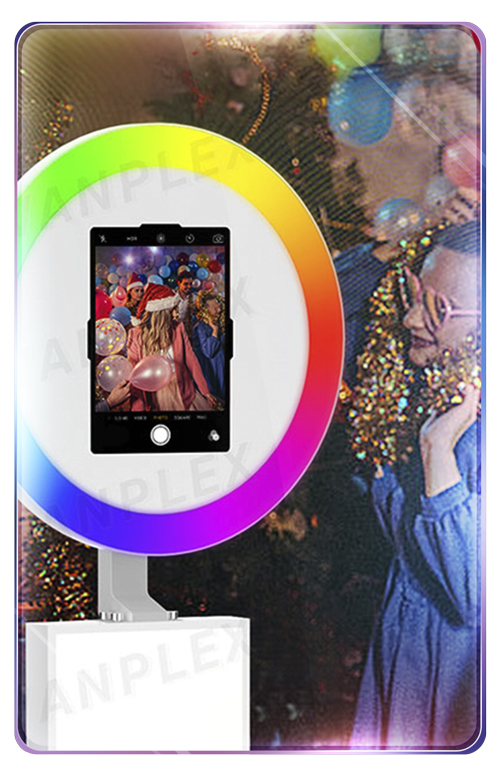
Selfie Magic Mirror Photo Booth


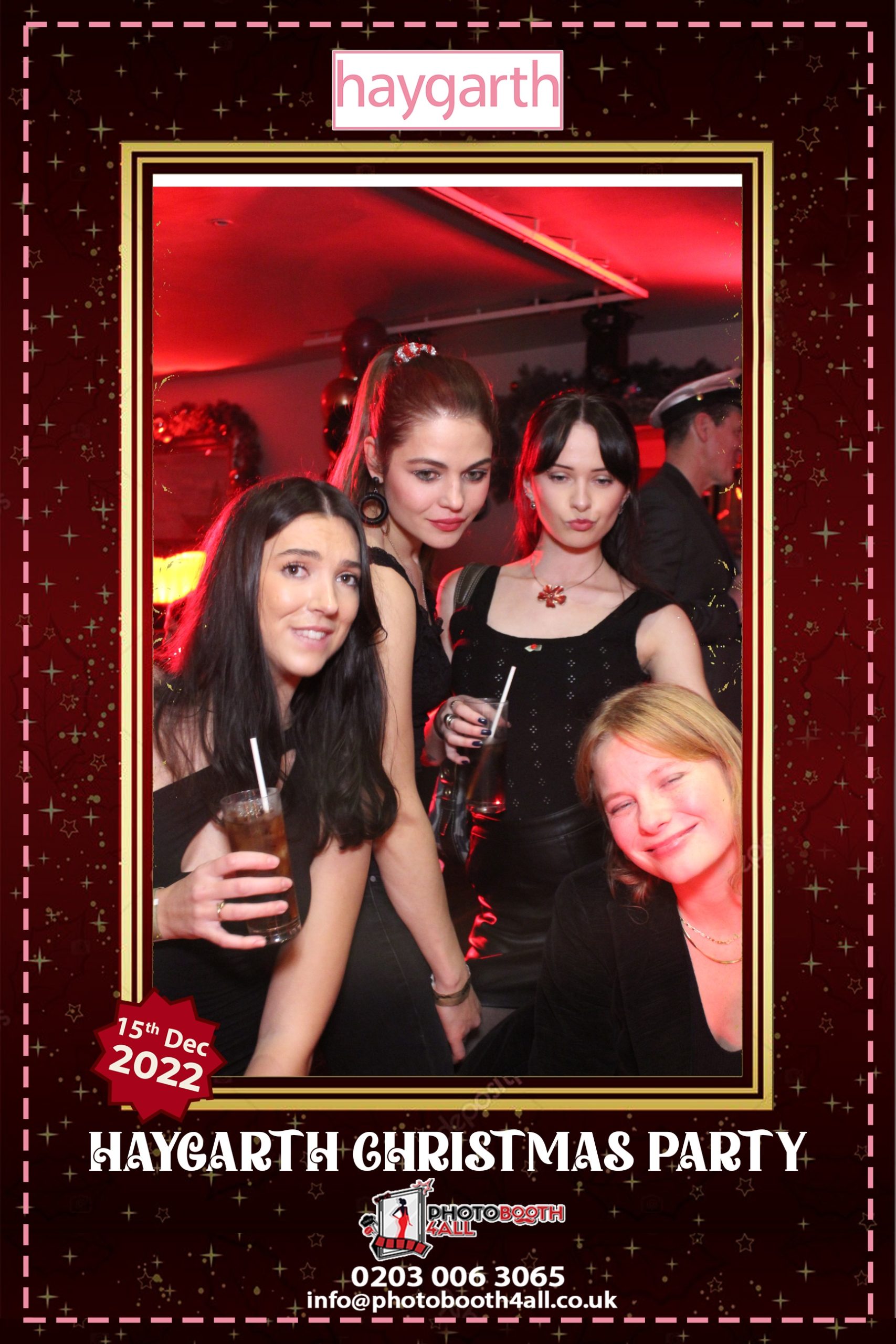
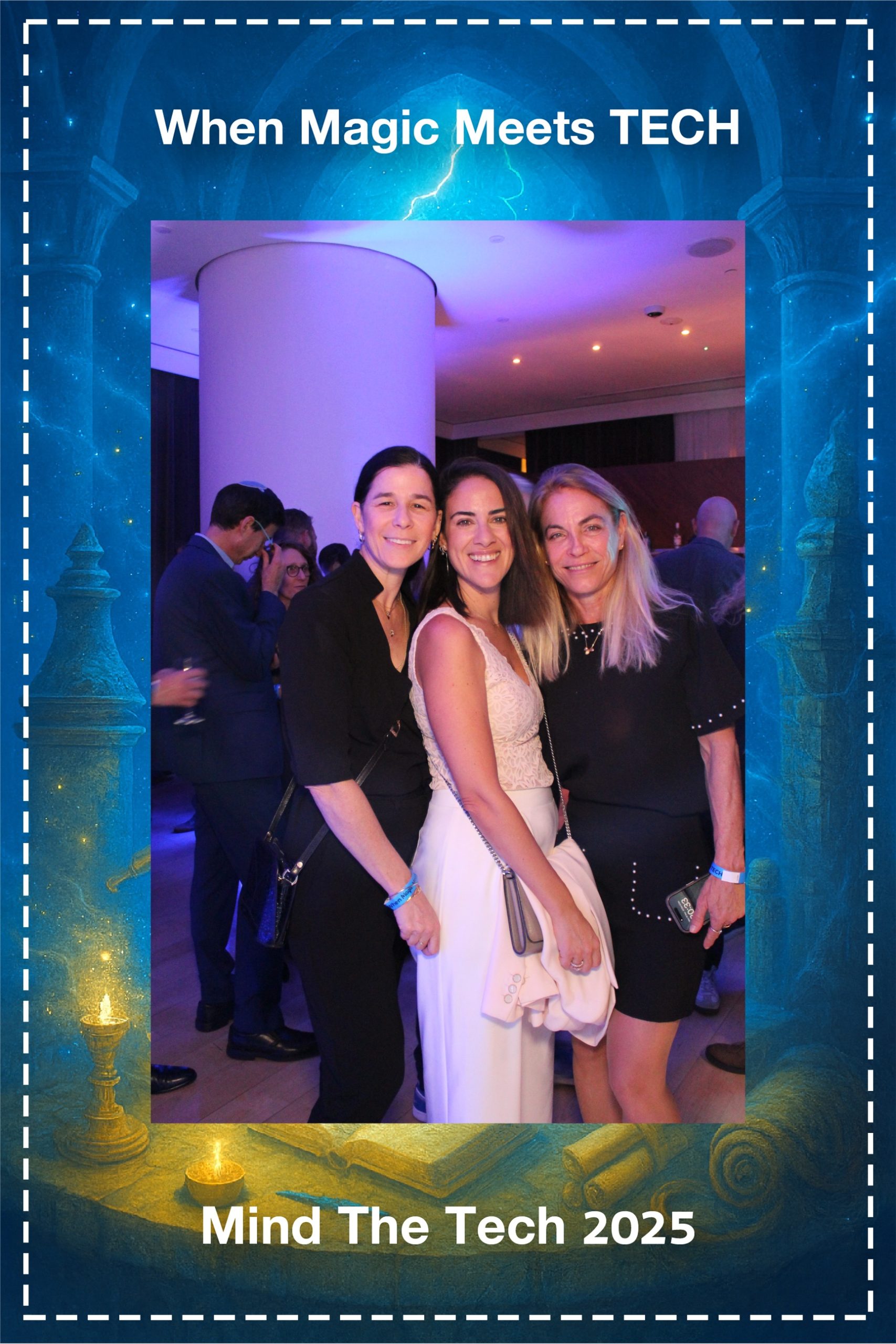
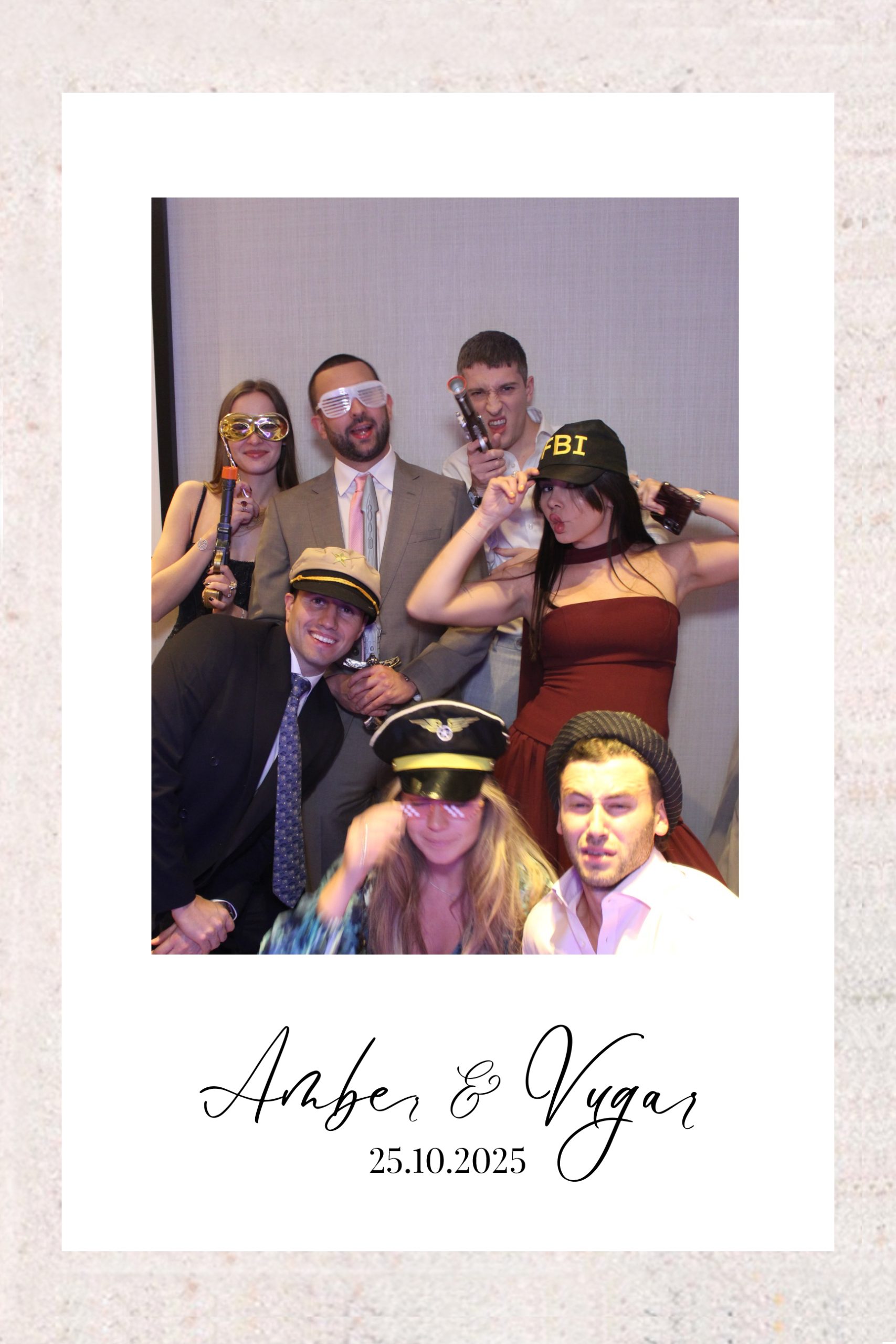
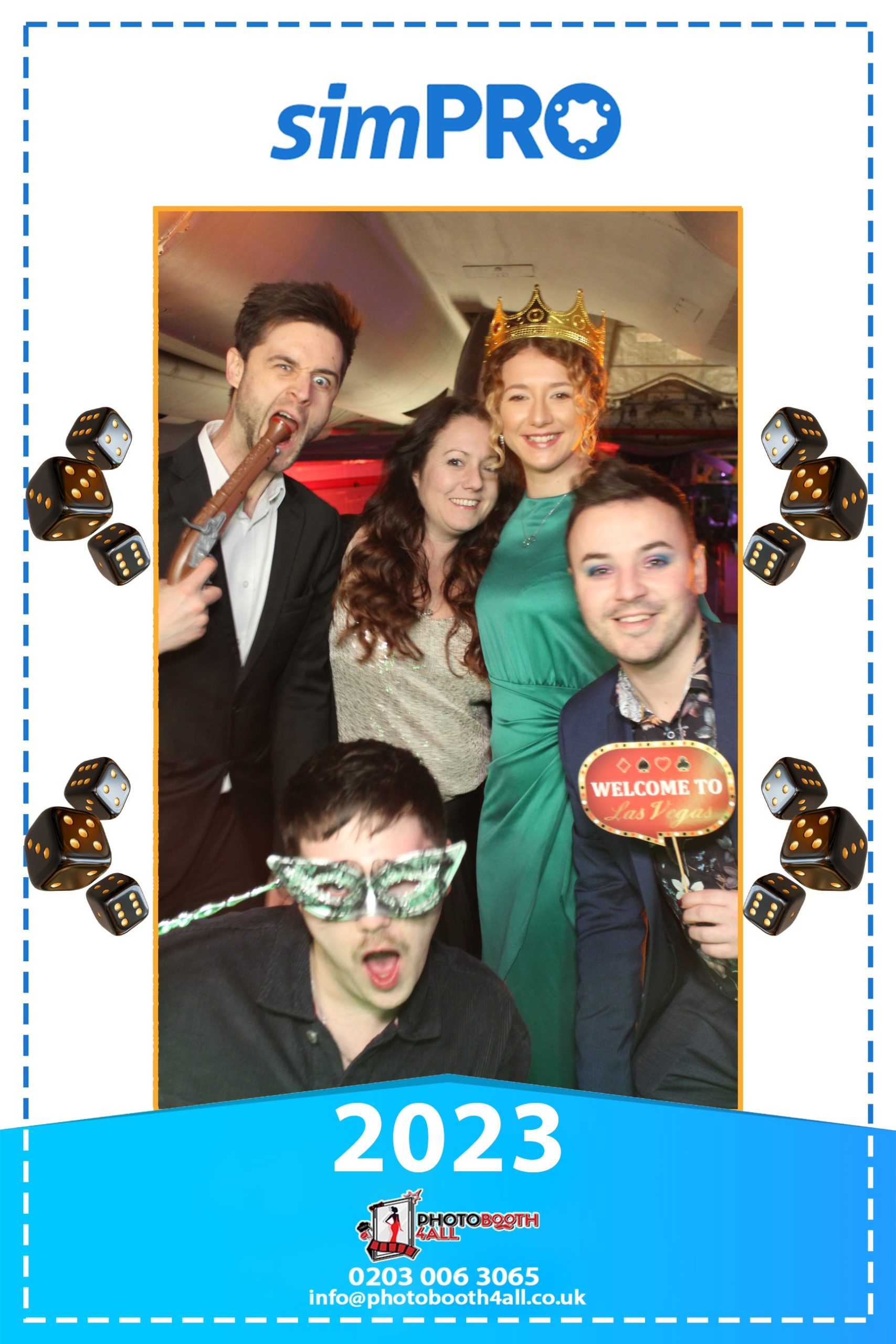
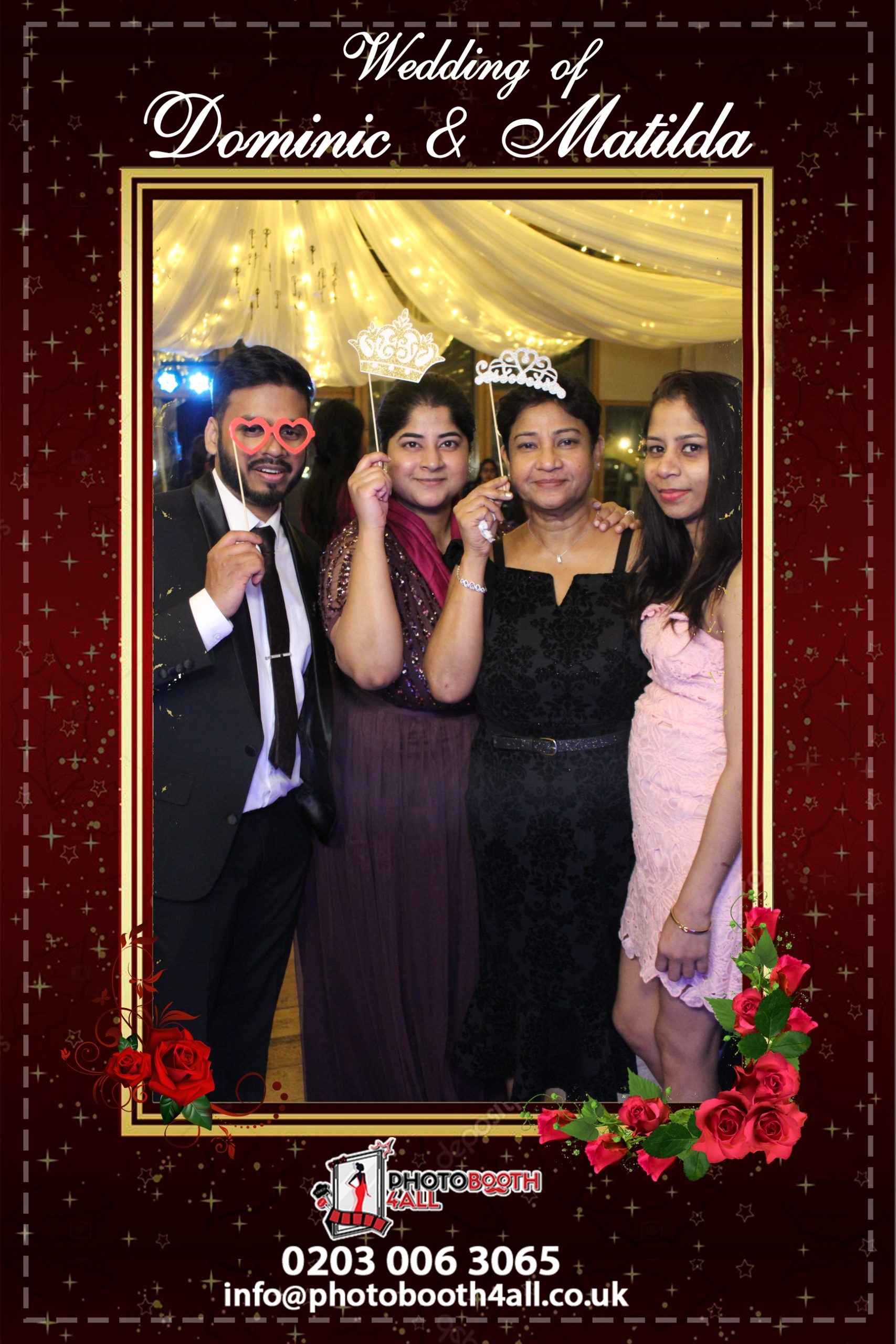
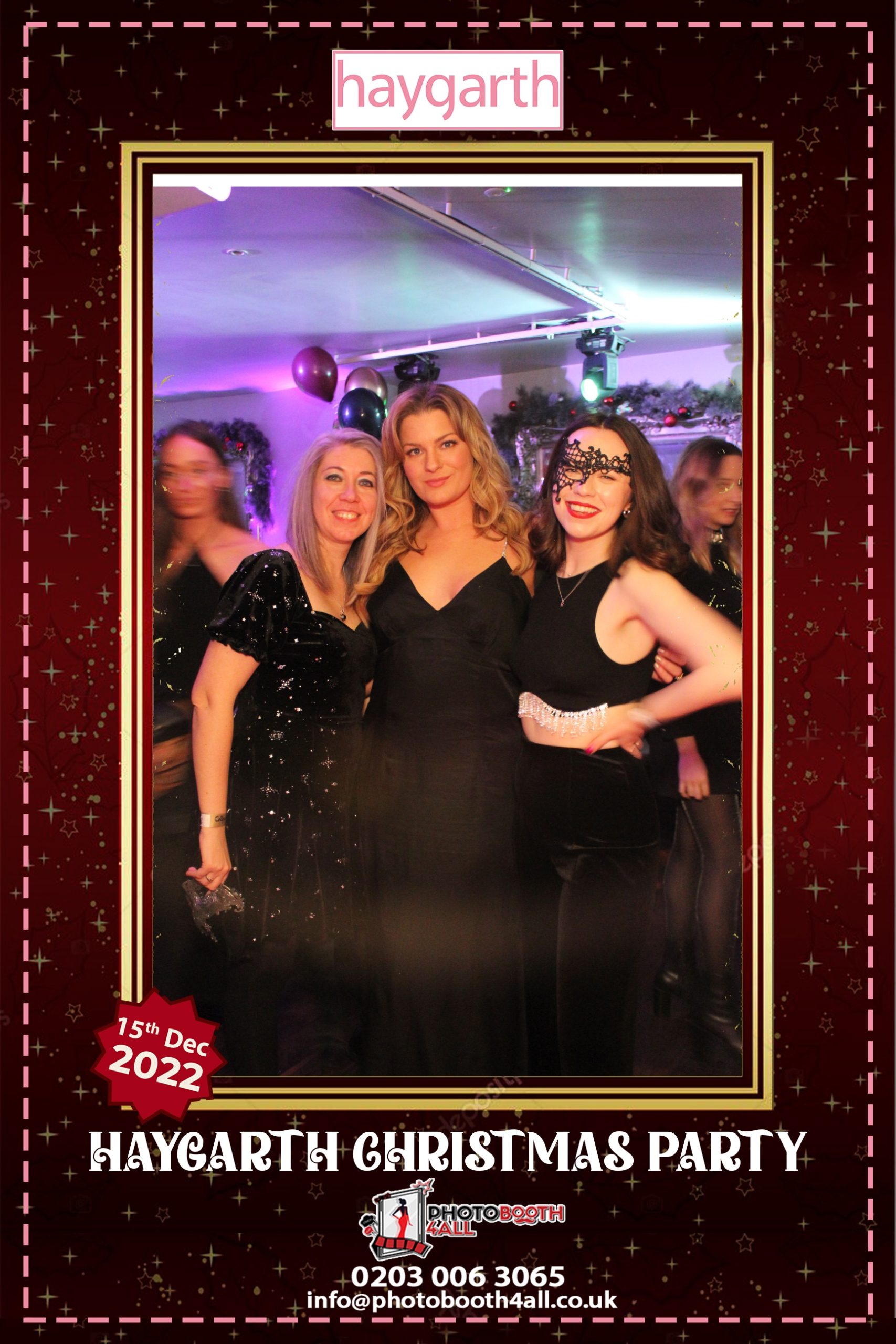
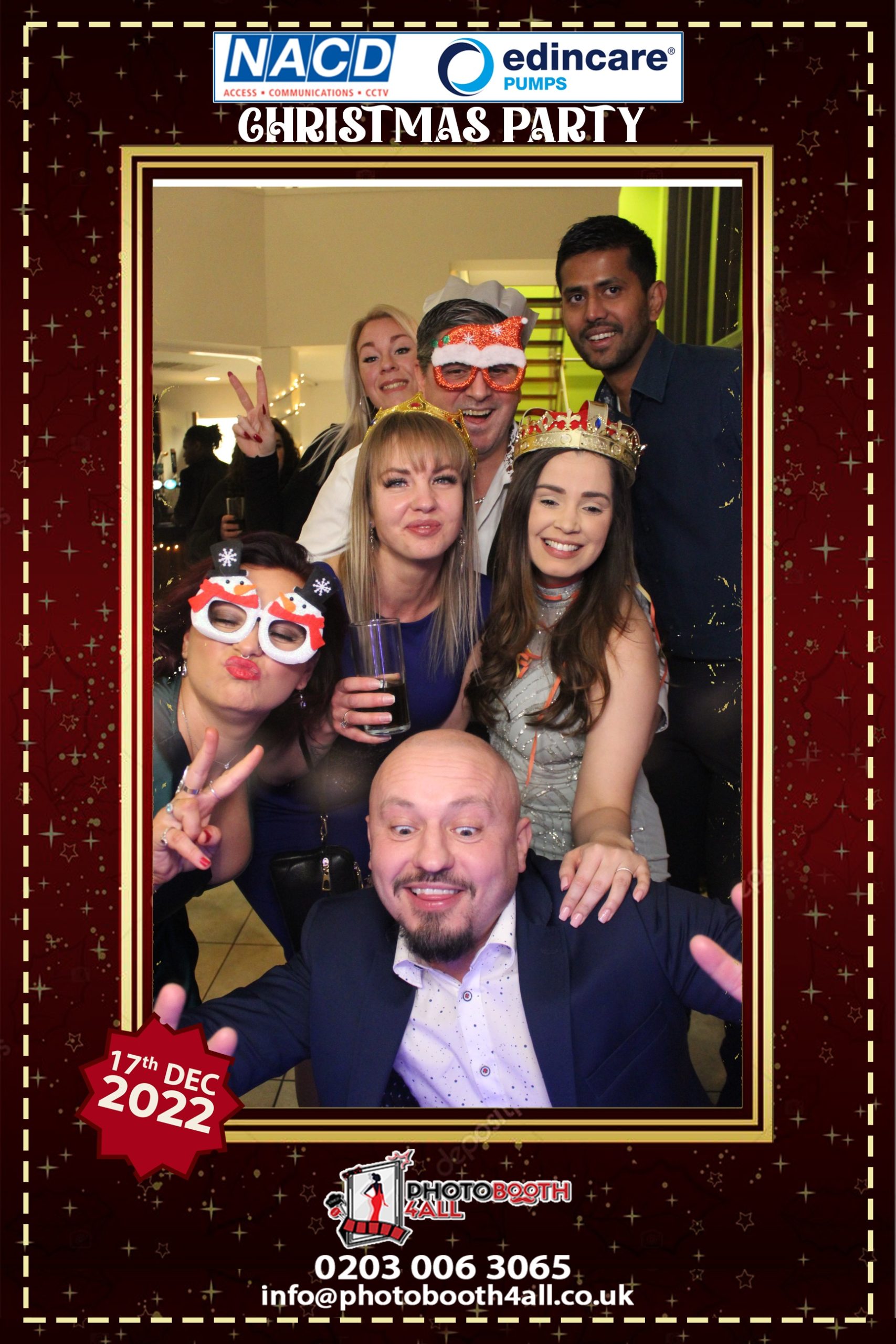
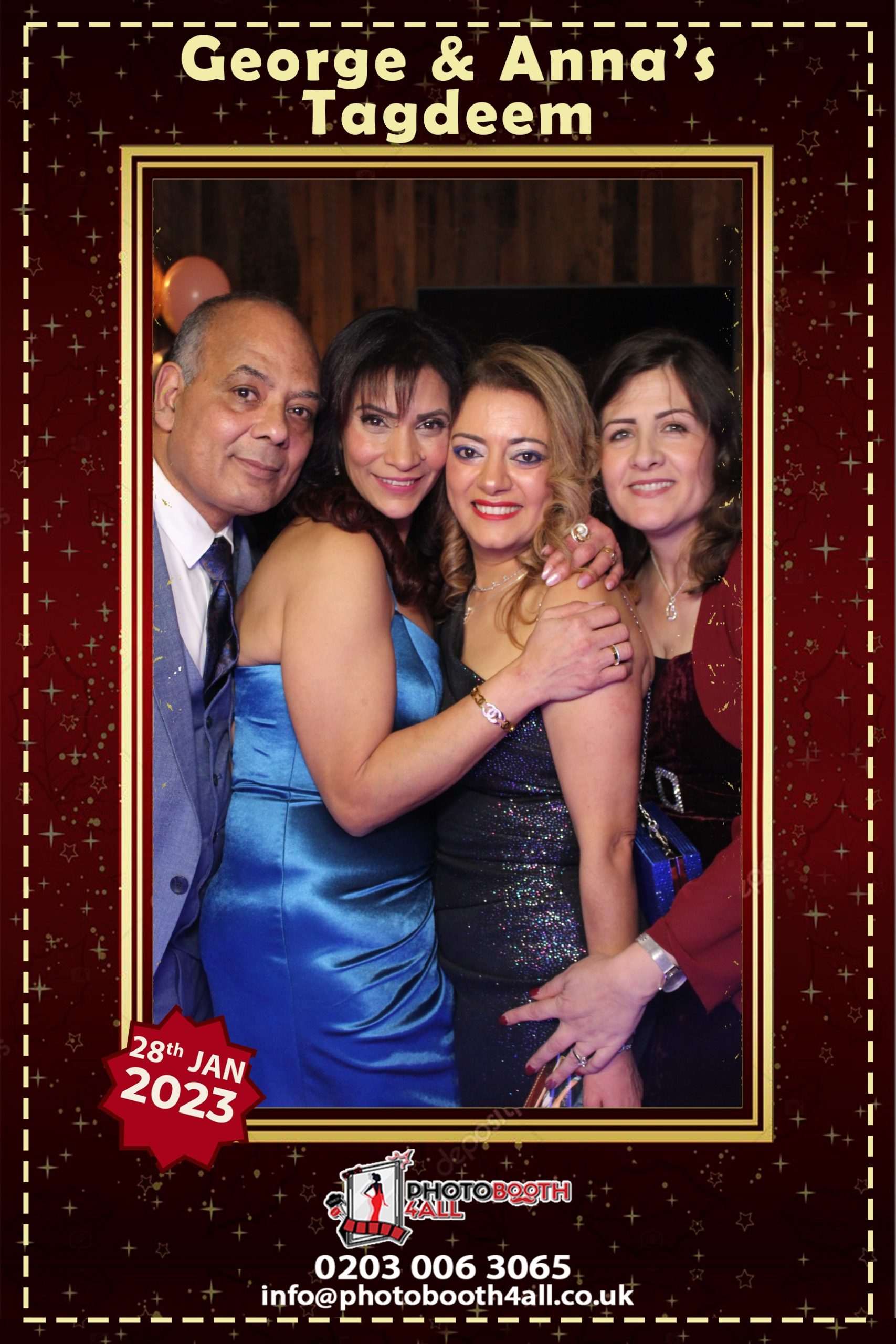
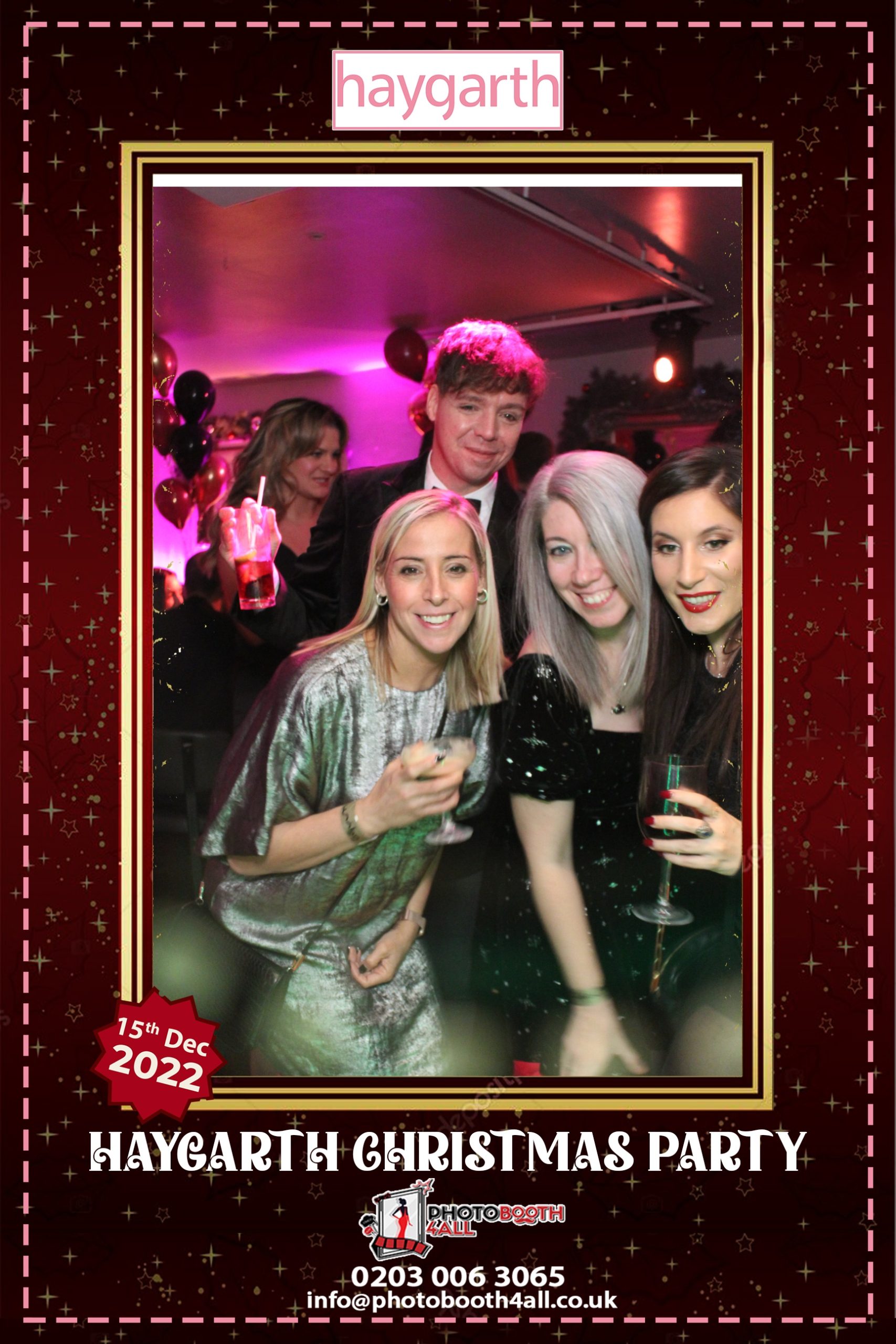
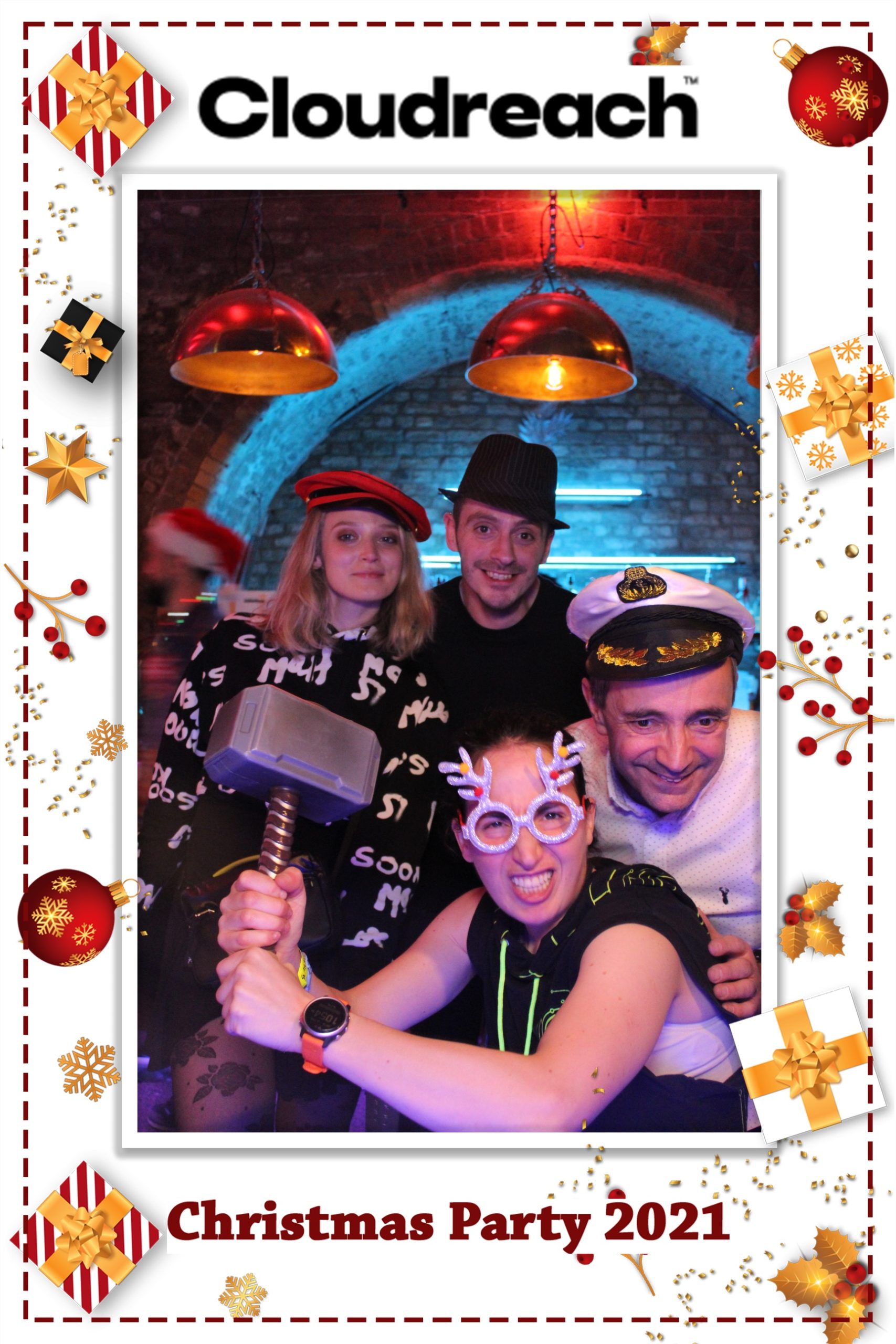
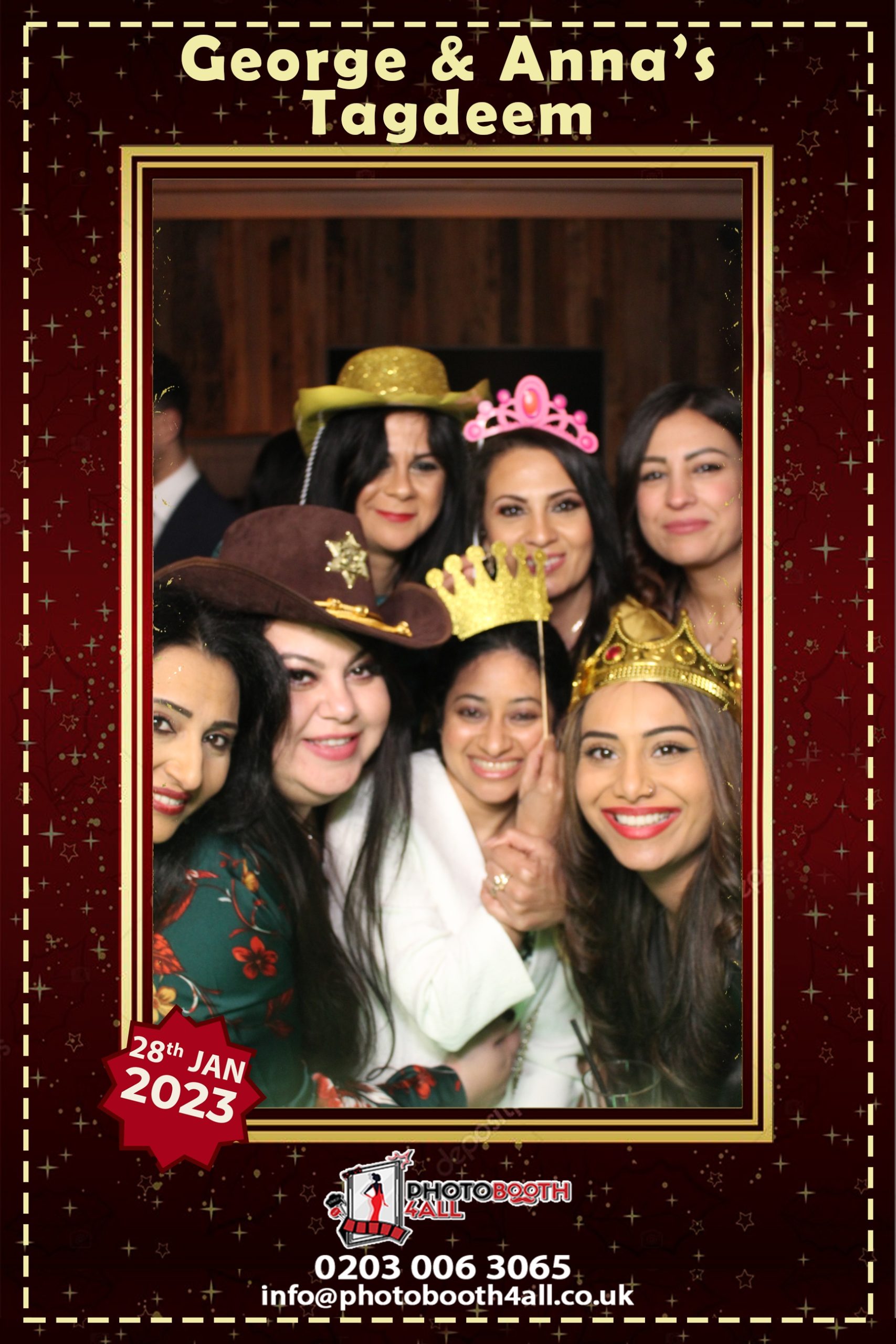
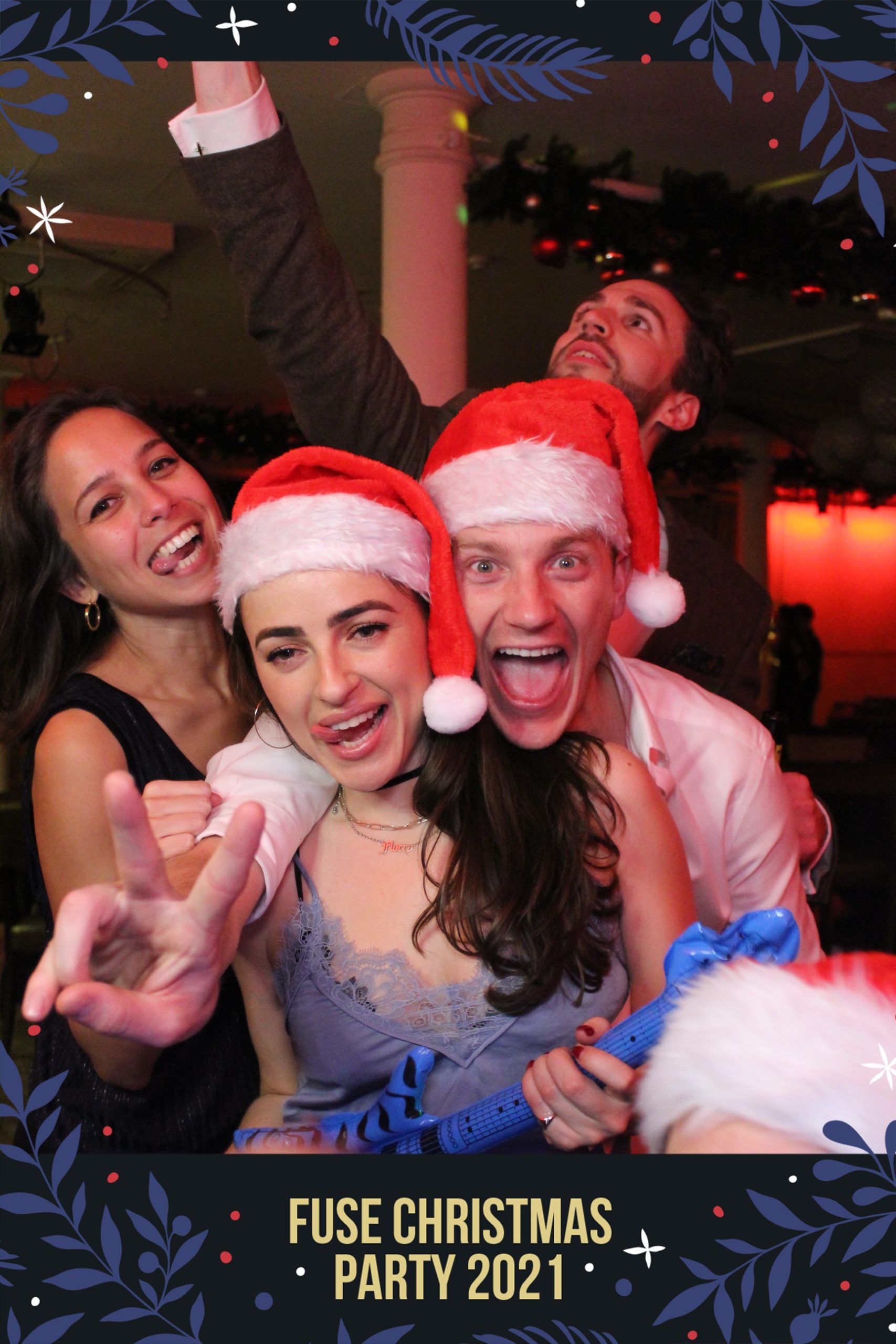
What You Receive With Every Winchelsea Booking
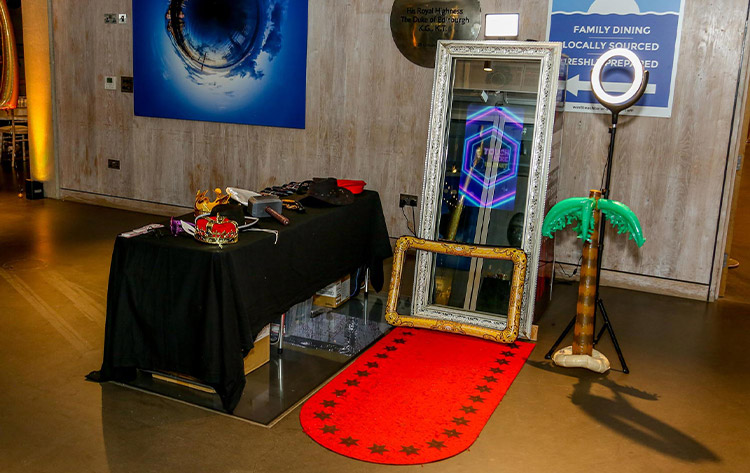
- Full-length, high-definition touchscreen magic mirror with elegant animated presentation and premium print quality throughout
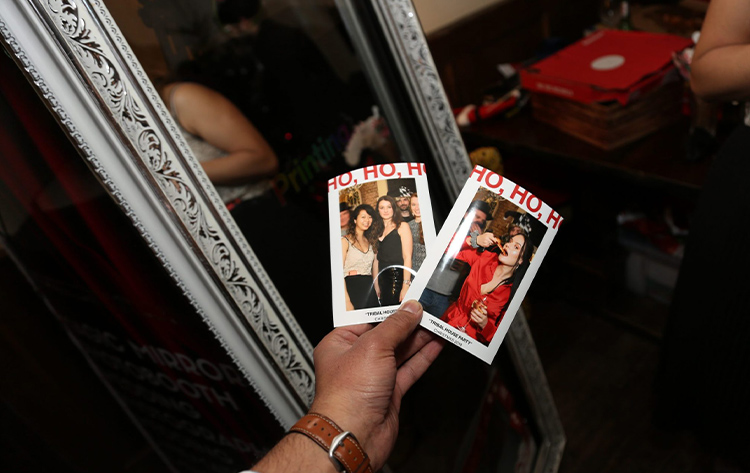
- Unlimited photo sessions and archival-quality instant prints with no per-print charges
- A private digital gallery of every image delivered within 48 hours by secure link
- A formally presented, DBS-checked, experienced and personable booth attendant throughout the entire hire
- A fully bespoke print design template — Strand Gate silhouette imagery, St Thomas’s church artwork, medieval cellar heritage designs, Cinque Port heraldry, Romney Marsh landscape motifs or entirely personal celebration artwork
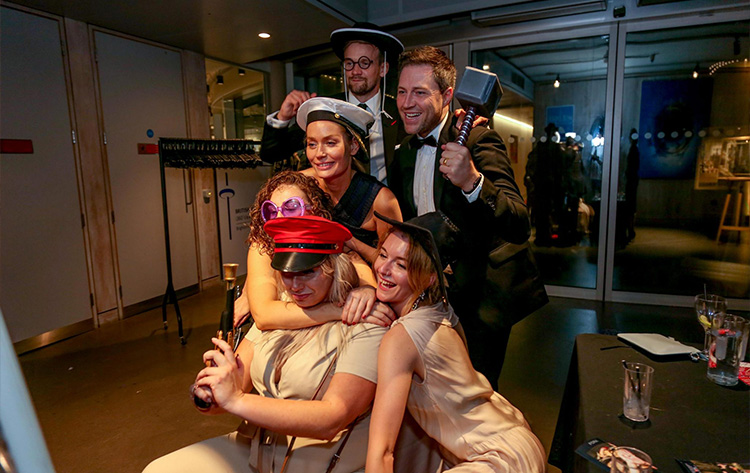
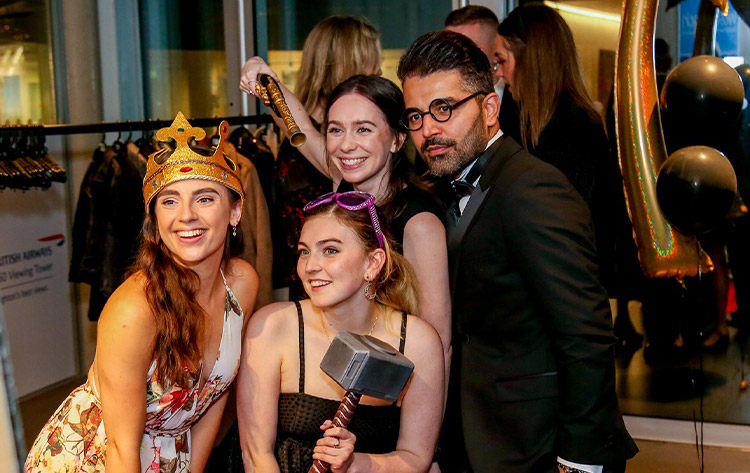
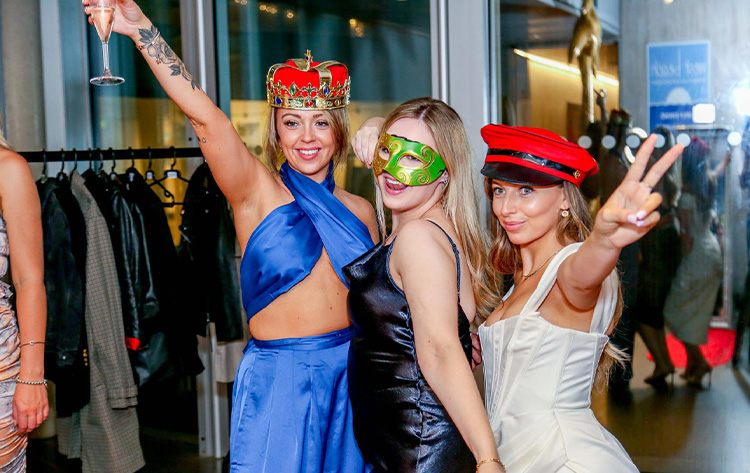
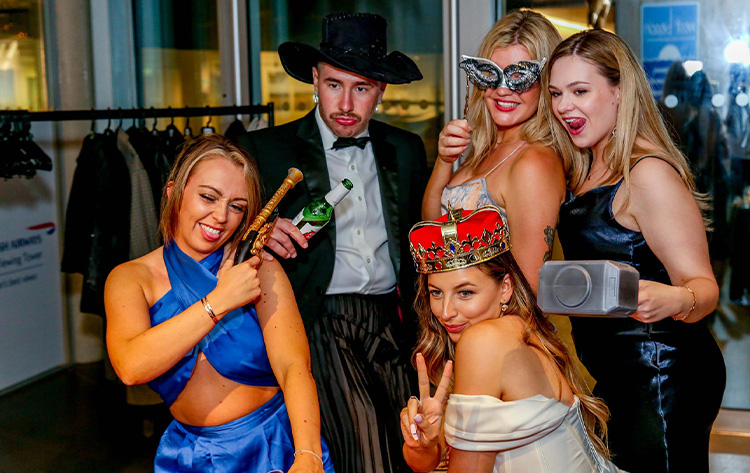
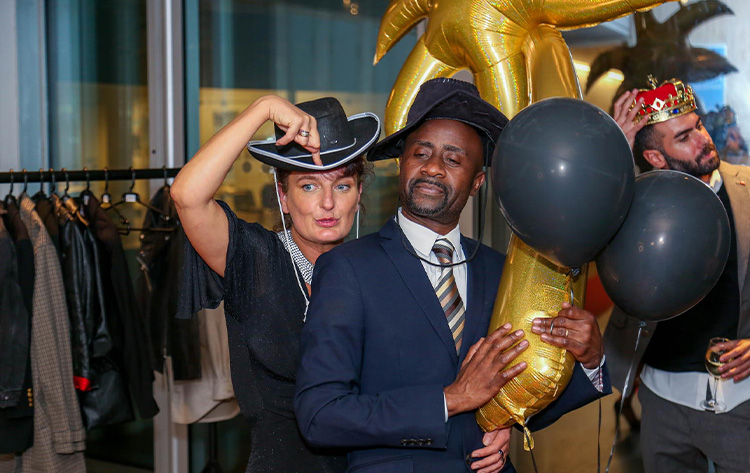
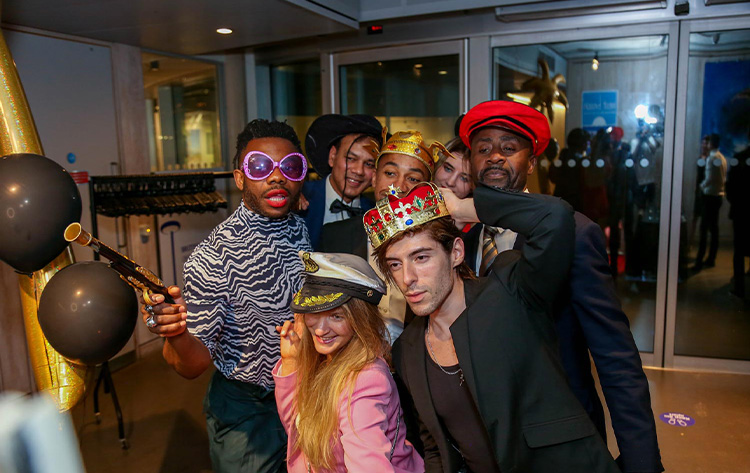
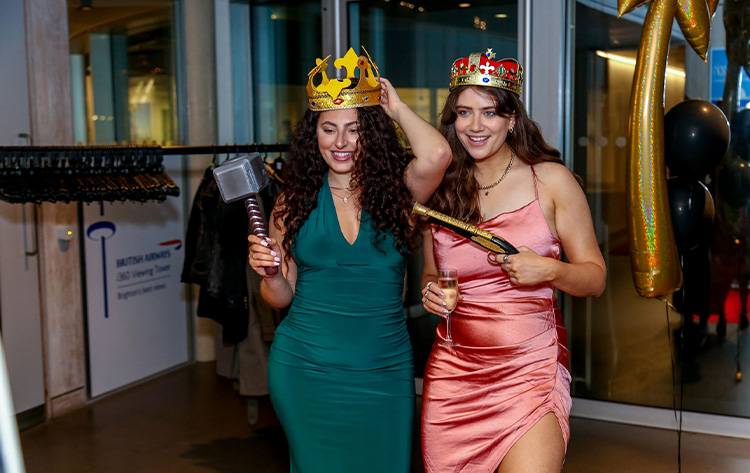
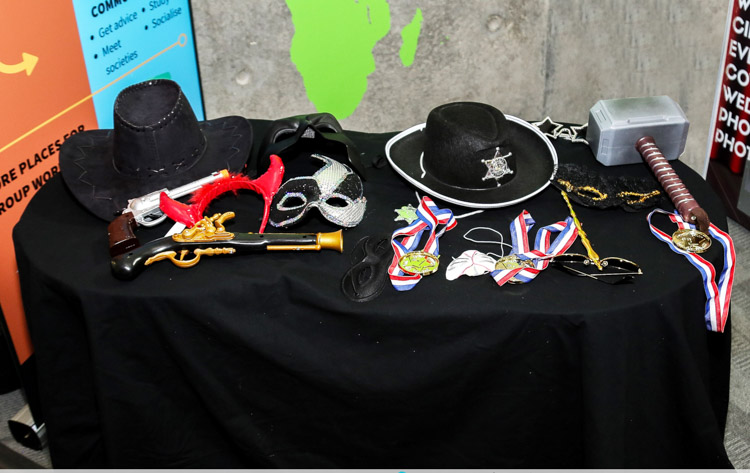
- An elegantly curated props collection appropriate for Winchelsea’s distinctive historic character and your specific event type
- Complete delivery to your venue, professional setup with full sensitivity to heritage environments, smooth and reliable operation throughout and complete packdown at the event’s conclusion
- Full outdoor capability with weatherproofed equipment and independent power supply for garden, churchyard and open-air celebrations
Why the Magic Mirror Is Perfect for Winchelsea Events
Winchelsea’s celebration occasions carry a particular quality of intimacy, care and genuine human warmth that reflects the character of a small, close-knit community in which people know one another well and celebrate together with real personal investment.
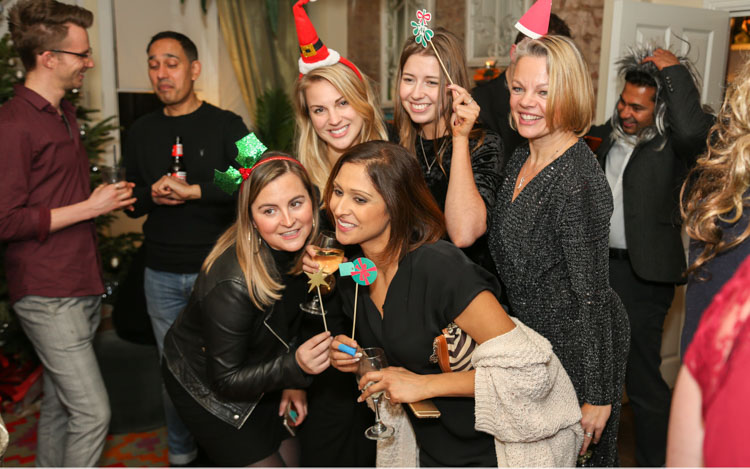
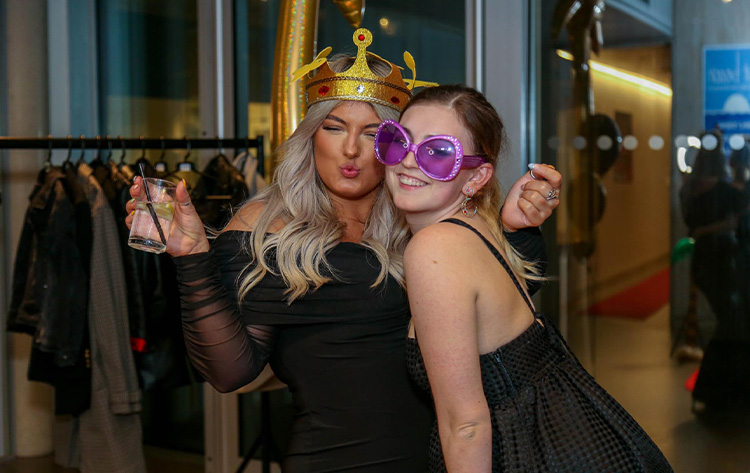
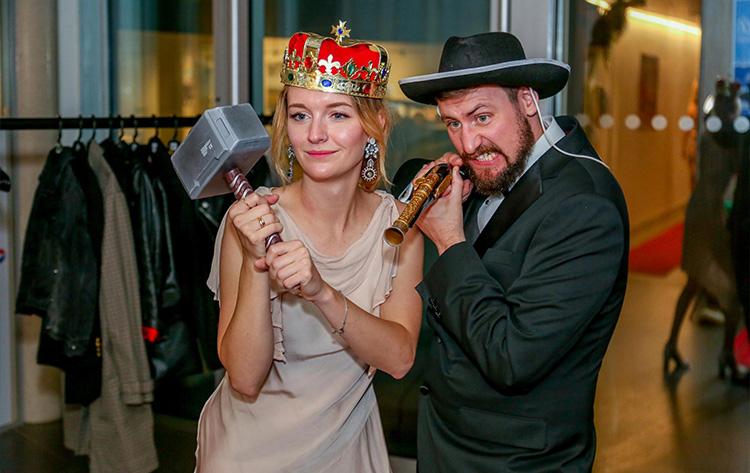
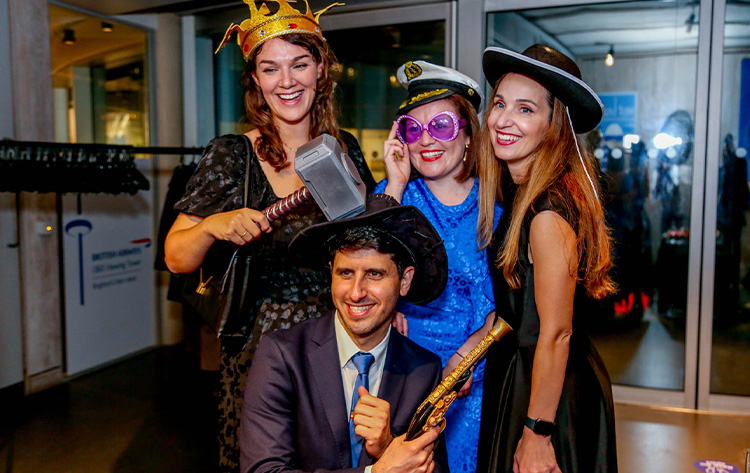
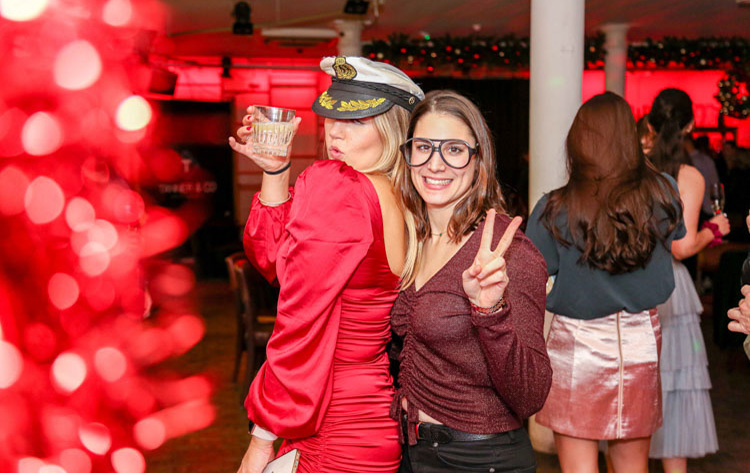
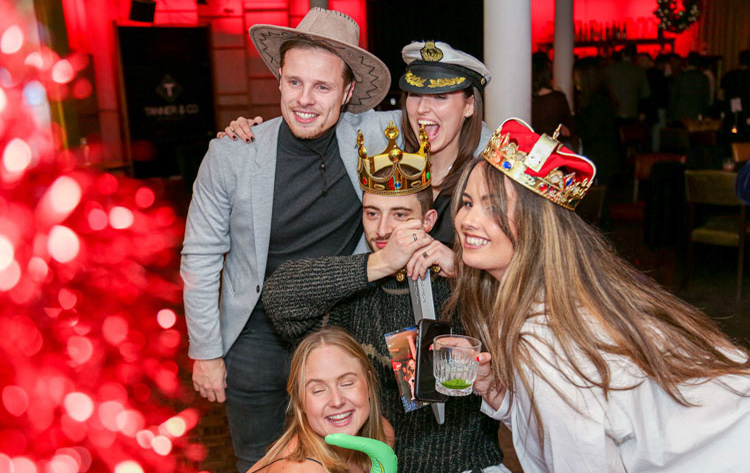
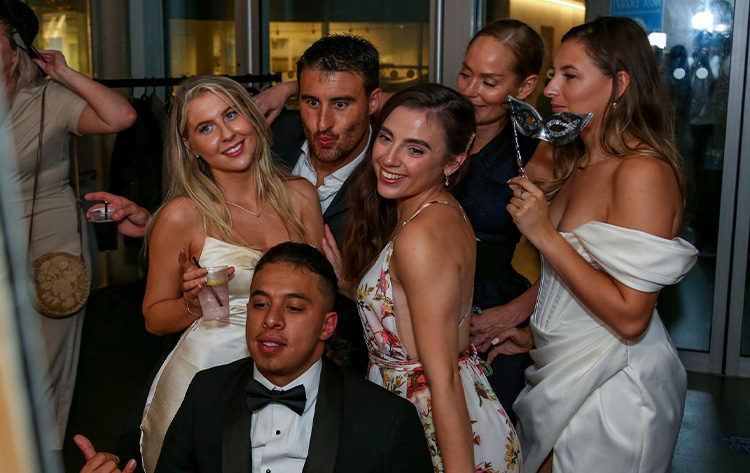
The magic mirror’s ability to create spontaneous, warm, multi-generational moments — moments of shared laughter, affectionate group poses and the kind of joyful, unrehearsed photographic memory that physical keepsakes preserve for decades — finds a natural and deeply appreciated home in the human warmth of a Winchelsea celebration.
The instant printed keepsake, taken home against a bespoke backdrop of Strand Gate silhouettes or St Thomas’s tower imagery, connects each guest personally and tangibly to the extraordinary place in which they have celebrated — a connection of particular emotional resonance in a community whose relationship with its own extraordinary history is one of daily, lived, affectionate familiarity.
Packages and Coverage
Standard: three to four hours, unlimited prints, bespoke template, props, attendant, delivery and complete packdown. Premium extended options for all-day medieval cellar and private estate celebrations. We serve Winchelsea, Rye, Icklesham, Guestling, Three Oaks, Westfield, Battle, Hastings, Bexhill and all surrounding Rother District and East Sussex communities.
Telephone: 0203 983 1758 | Email: info@photobooth4all.co.uk
Popular Add-ons and Extras

Bubble Machine

Money/ Confetti Guns

Fog Machine

Confetti Gun

Custom Backdrops
GET IN TOUCH
Book Your Magic Mirror Photo Booth hire in Winchelsea Today with PhotoBooth4All
Request a Call Back
If you have any kind of enquiry you would like to discuss with us, please do not hesitate to contact us by providing your details below. Either you want to find out more about our Photo Booth Hire in Winchelsea, you can get in touch using the form below. Our team will get back to you or directly give us a call on 0203 006 3065.
We look forward to hearing from you and would be honoured to be part of your event.
Fill in the form below and press “Submit”. Your details will be sent directly to us.


General questions, concerns, or Web-site feedback.
info@photobooth4all.co.uk
Phone
Tel: +44 (0) 203 006 3065